

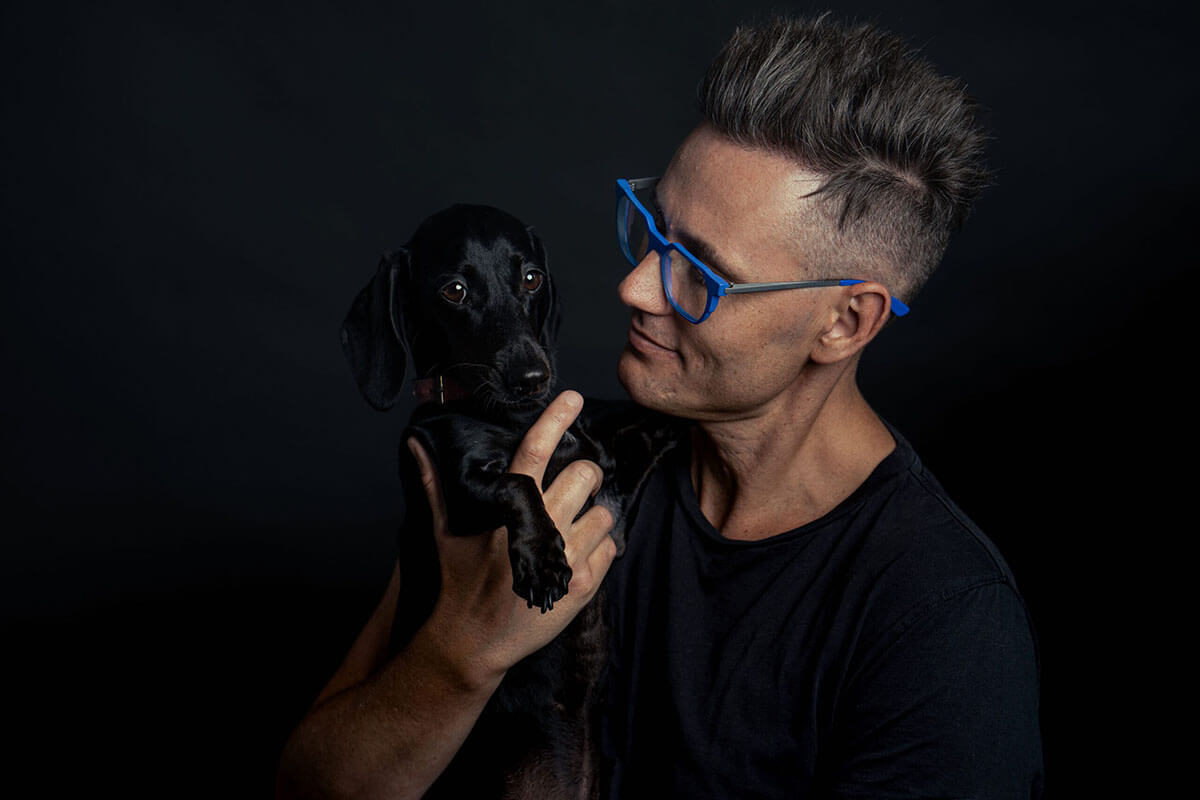
There’s more to me than reading MRIs and conducting operations, just as I know my patients’ lives are about more than just their symptoms.
Discover:
I consider myself blessed with a career that allows me to pursue my passion for human anatomy and strive for perfection of a physical practice. I’m also conscious, that despite my own discipline and hard work, I could only be here thanks to the support of my family who nurtured me while giving me the freedom to choose my own path.

While experience, credentials, and surgical skills should be your top criteria when choosing a surgeon, it’s also important that you find them pleasant and easy to communicate with.
My patients often say they find me:
Candid but
caring
I’m upfront with all patients about their condition and my treatment recommendations, while being careful to broach sensitive issues with compassion. Ultimately, there’s nothing kind about comforting someone with half truths. Honesty is essential to empowering patients with the knowledge they need to make the right decisions.
Handy with
analogies
Having seen hundreds of patients and explained common conditions and treatments so often, breaking down complex concepts in easy-to-understand ways has become second nature. That flash of relief on your face when it clicks for you what’s going on in your body, or what a proposed treatment involves, is a signal that I’m doing my job properly.
Relatable and
funny
Brain and spine surgery is a serious business, but it doesn’t mean there isn’t room for small talk or even a but of fun. In fact taking a moment to talk about a shared hobby, what we did on the weekend, or just joke around a bit (where appropriate) can be a great way to lighten the mood and defuse tension.
I understand the prospect of seeing a neurosurgeon for a brain or spine surgery is daunting. I believe the best way to help patients overcome any concerns is by clearly and compassionately communicating the potential risks, benefits, and any alternative treatments.
I’ll equip you with the information you need to make informed choices, but ultimately the decision is up to you. I endeavour to support my patients every step of the way, guided by an overarching principle – maximising quality of life.
Learn more about:
In Australia, patients require a referral from their GP to a specialist in order to receive a Medicare rebate. There are a few ways patients commonly come to find me.
Not all doctors know some neurourgeons can treat spinal conditions like sciatica, so make sure you ask your GP to refer you to me. Any scans (CT, MRI) you’ve already done will be available to me online. They will either send me the referral electronically, or print one and fax it to me (in the latter case you can get a hard copy for your records). Either way I’ll get your provider number, so you’ll be able to get Medicare rebates for your consult and any subsequent treatments.
If you’re experiencing significant distress and are facing long waits or other difficulties seeing a GP, why not cut out the ‘middle man’ and come straight to me. My team and I can help get the ball rolling – giving you some actionable advice straight away and even helping arrange an online referral via telehealth.
It pains me to see others in pain. Get in touch today with a brief explanation of your symptoms and history of the condition.

If you’ve already seen a specialist (whether neuro/orthopaedic surgeon, for either brain or spine condition) but you still have unanswered questions, doubts, or any other concerns, I’m happy to review your case. Sometimes people feel a bit guilty asking for a second opinion, worrying it might insult the surgeon. Allow me to reassure you on behalf of my esteemed colleagues – we don’t take offence!
If you have a printed copy of your original referral, you can send it through to my team. If you don’t, please contact the GP who made the original referral and have them change the specialist details to mine.
More than a decade of study and training under the supervision of Australia’s leading neurosurgeons has enabled me to master minimal access (or ‘keyhole’) procedures for a range of spinal and brain conditions. Active in the surgical theatre for the past 7 years, I’ve honed my precision and efficiency in quality-of-life maximising procedures – especially for spinal conditions like sciatica and nerve pain.
More than a decade of study and training under the supervision of Australia’s leading neurosurgeons has enabled me to master minimal access (or ‘keyhole’) procedures for a range of spinal and brain conditions. Active in the surgical theatre for the past 7 years, I’ve honed my precision and efficiency in quality-of-life maximising procedures – especially for spinal conditions like sciatica and nerve pain.
More than a decade of study and training under the supervision of Australia’s leading neurosurgeons has enabled me to master minimal access (or ‘keyhole’) procedures for a range of spinal and brain conditions. Active in the surgical theatre for the past 7 years, I’ve honed my precision and efficiency in quality-of-life maximising procedures – especially for spinal conditions like sciatica and nerve pain.
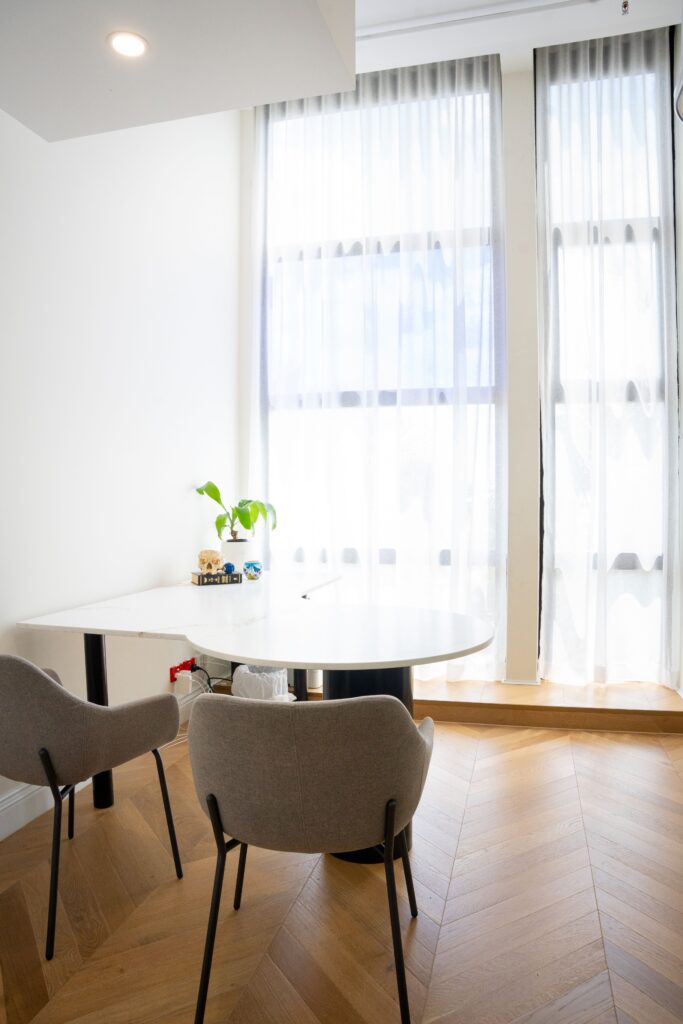
During consultation, I’ll assess a range of factors relating to your condition and symptoms:
After meeting with you and assessing various factors including your medical history, scan results, symptoms, lifestyle, and goals, I’ll give you clear recommendations for reducing your pain and maximising your quality of life.
For the most serious spinal conditions like cervical myelopathy and certain brain tumours, surgery is almost invariably a good idea. However, many operations are less about saving lives and more about improving them. There are various surgical options available for treatment of sciatica and other types of nerve pain which are worth doing. While you can certainly live without surgery in these cases, it often offers a meaningful and sustainable improvement to your quality of life.
Seeing a neurosurgeon doesn’t always lead to surgery alone. If the cause of your symptoms can be better managed through non-surgical interventions like physiotherapy, steroid injections, or other lifestyle modifications, I’ll let you know. Often I’ll recommend them in combination with surgery, like with post-operative physio. For cancerous tumours of the brain and spine, surgery is used in combination with chemotherapy, radiotherapy and/or immunotherapy.
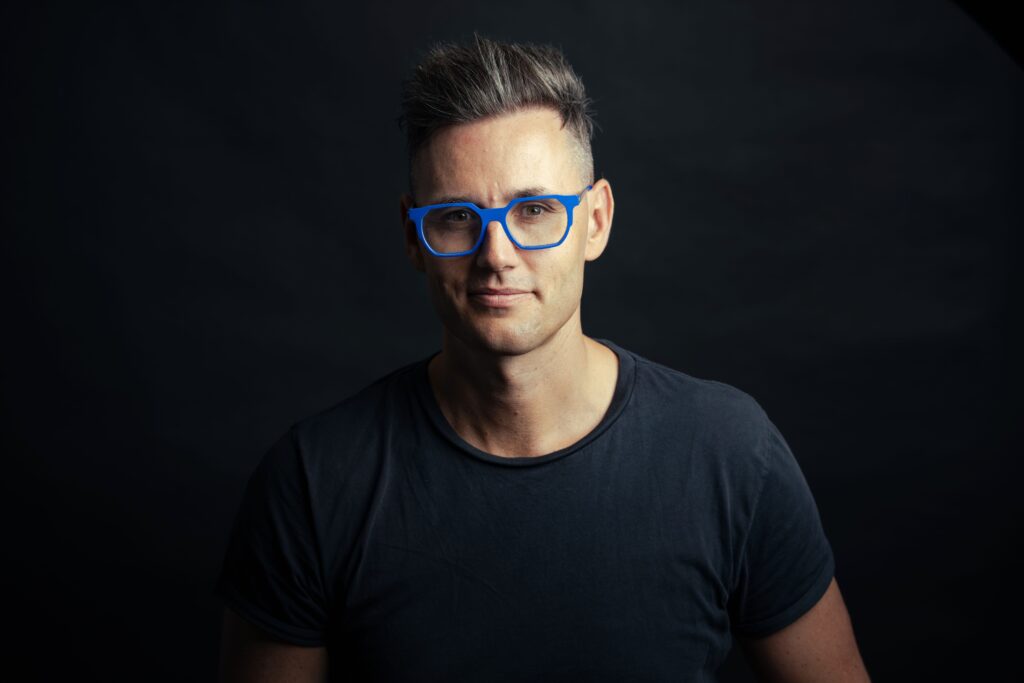
Our journey together doesn’t stop with the surgery. I’ll check in via text with you and your loved ones the day after the procedure. In the weeks following, we’ll usually have one or two follow up consultations (depending on the treatment you had). During these sessions, I’ll assess how successful the surgery was, removing any sutures (if necessary), and monitor any ongoing pain or discomfort.
I’ll also help set you up for success through an appropriate rehabilitation program. Especially important for spine treatments, putting in an effort as soon as possible post-surgery is essential to maintaining the range of motion and muscular strength required for your best recovery.
You should let me know if you’ve had a fall. We will need to ensure that the impact hasn’t caused any complications. Usually, everything is fine, though you might feel a bit more sore afterward. Contact my team for reassurance or to schedule a check-up.
After surgery, it’s natural to feel hesitant about moving, but rebuilding your confidence in your spine is crucial. Staying active is key to preventing muscle tightness and spasms. However, balance is important — activity should promote healing, not risk further damage. The specific guidelines will depend on the type of surgery you had, and I’ll go through them with you in detail during your consultation.
It’s common for numbness and weakness to persist after spine surgery, especially if these symptoms existed before the operation. Surgery relieves pressure on the nerves, allowing them to recover, but nerves take time to heal. While pain often improves quickly, numbness and weakness can take weeks or even months to improve.
Yes, weakness after spine surgery is normal, especially if your spinal nerves were compressed before surgery. Surgery alleviates pressure on the nerves, but the nerve’s recovery takes time. The extent of recovery depends on how long you’ve had symptoms and the severity of the nerve injury.
Some pain at the incision site and pulling sensations when moving are normal during the first week or two. This is part of the healing process for the skin and muscles. If you’re concerned about your pain at any stage, contact my team for further advice.
The timeline for returning to normal activities depends on the type of surgery you had. My goal is to get you back to your daily routine as quickly as possible, and I’ll give you detailed instructions based on your specific operation. In general, keyhole surgery allows for faster recovery.
Physiotherapy plays a crucial role for some patients after spine surgery, but it’s not always necessary. Often, staying active with normal daily activities is sufficient. I’ll discuss whether physiotherapy is right for you during your recovery plan.
Massages are safe after the incision has fully healed, which typically takes about two weeks. Before then, the area should not be rubbed or irritated. After that healing period, feel free to enjoy a massage.
Yes, bruising after surgery is common. It may seem larger than the incision itself, but this is normal and caused by blood settling under the skin. The bruise might look dramatic but should fade in a few weeks and is usually not tender.
Yes, you can still have an MRI after spine surgery. Any metal used in your surgery is typically made of titanium, which is non-magnetic and safe for MRI scanners.
No, titanium implants won’t set off airport alarms. Titanium is non-magnetic, so you don’t need to worry about carrying X-rays to prove your surgery at security checkpoints.
Even with modern techniques and technology, surgery doesn’t always provide a 100% guarantee. However, I carefully track my outcomes to ensure high success rates. If your surgery didn’t meet the expected outcome, we’ll review your case, reassess your options, and work together on a new plan moving forward.
If you have new symptoms after surgery, it’s important to contact my team immediately. While it’s often nothing serious, I’d rather assess the situation and reassure you than leave you worrying.
If you notice any leakage from the incision site, contact my team immediately. We need to rule out any possible infection, although my infection rates are less than 0.5%.
Contact my team ASAP so I can assess the situation. We will determine if any further action is needed
Here are some common post-surgery experiences:
I’ve always favoured a minimally invasive approach to surgery, using smaller incisions and minimising the overall impact on a patient’s internal tissues. For me, many of the procedures I regularly perform to reduce compression on the spinal cord (the root cause of much pain) are like putting out spot fires. That’s the essence of the keyhole approach.
The alternative is open surgery—larger incisions, more tissue damage, longer operations, extended recovery times, and a greater risk of complications. I saw plenty of these during my training and witnessed the ‘collateral damage’ they could cause, particularly in older patients who are more vulnerable to complications and drawn-out recoveries.
I was fortunate to be mentored by some incredibly skilled practitioners of minimally invasive techniques. Not every surgeon can perform keyhole spine surgery, but for those who are candidates for spinal decompression, it’s certainly the option I would recommend.
Quicker procedures and recovery times. Minimising time under anaesthetic keeps risk of infection and other complications down.
Smaller incisions for less noticeable scarring. Many patients are pleasantly surprised at how well the wound heals.
Minimal (if any) damage to underlying tissues including muscles, ligaments, and nerves.
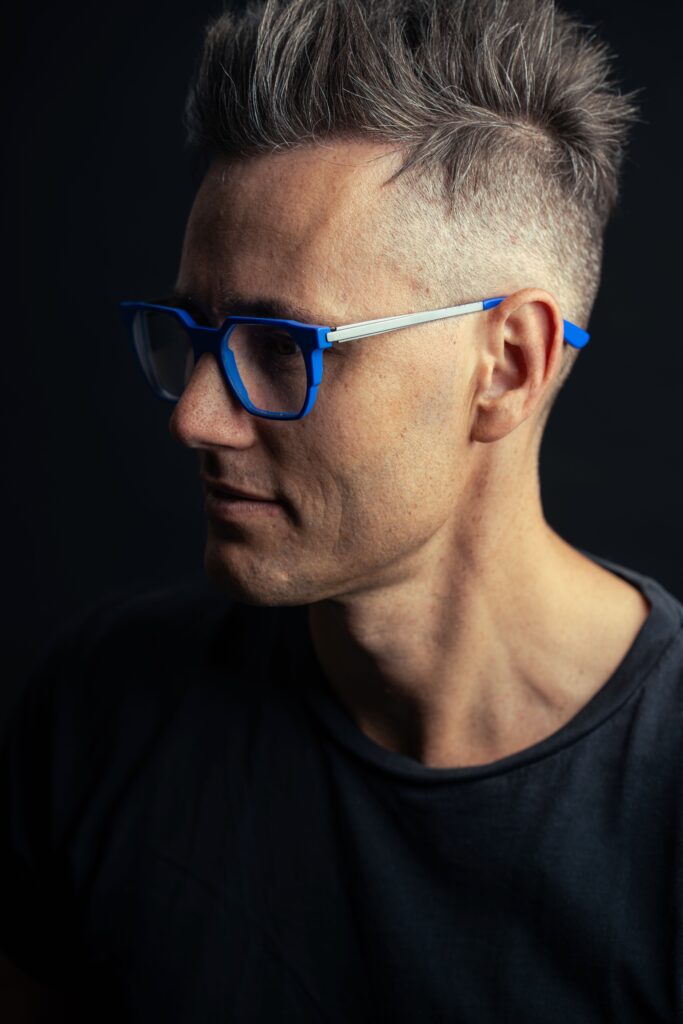
See what my past patients thought of their experience of my neurosurgical care.
Read their stories:
“Dr. Alex Koefman took the time to explain everything to me and his bedside manner was fantastic.”
“Lorem ipsum dolor sit amet, consectetur adipiscing elit. Donec tempus mi felis, sit amet tristique velit blandit a. “
“Lorem ipsum dolor sit amet, consectetur adipiscing elit. Donec tempus mi felis, sit amet tristique velit blandit a. “
“Lorem ipsum dolor sit amet, consectetur adipiscing elit. Donec tempus mi felis, sit amet tristique velit blandit a. “
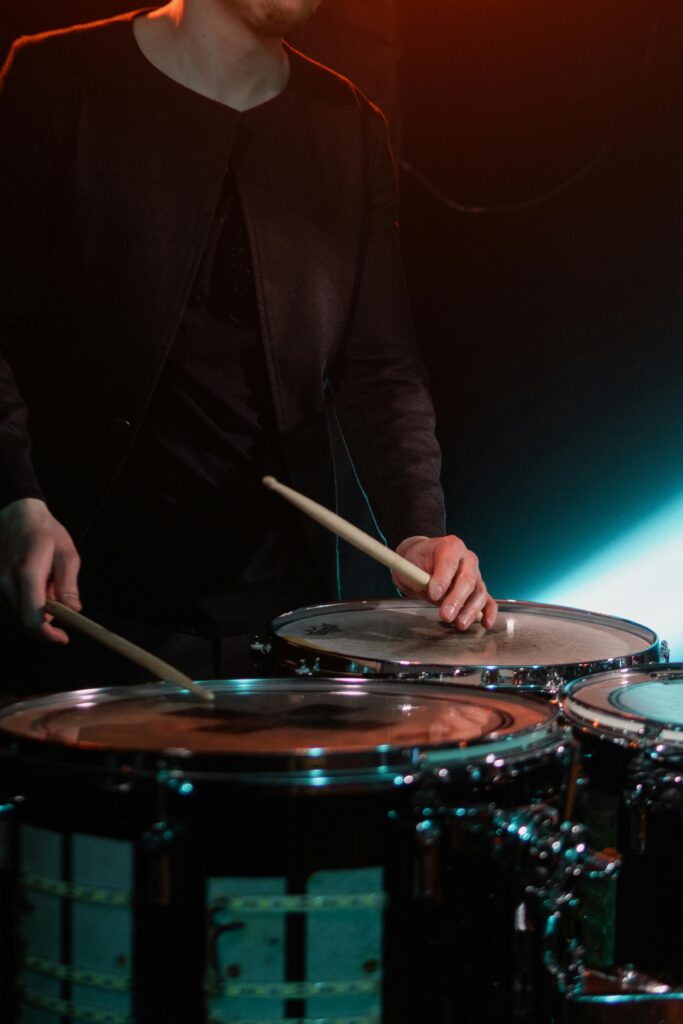
I’ve played drums since school. I didn’t know it then, but those hours spent refining drumrolls, hi-hat control, and off-beat kicks shaped how I’d later train as a surgeon. It was all about precision, repetition, and mastering each part before building the full rhythm.
I was lucky to learn from some of Australia’s top neurosurgeons. Each with their own distinct technique. One stood out — the most precise I’ve ever seen.
For three years, I studied his movements, filming his procedures and practising them at home. I’d rehearse each motion in front of a mirror — over and over — until it felt instinctive. Then I’d move on to the next. Eventually, I’d stitch them all together into the full procedure, step by step.
That discipline — of slowing things down, refining each detail, and building fluency over time — has stayed with me in my surgical career.
And it all started with the drums.
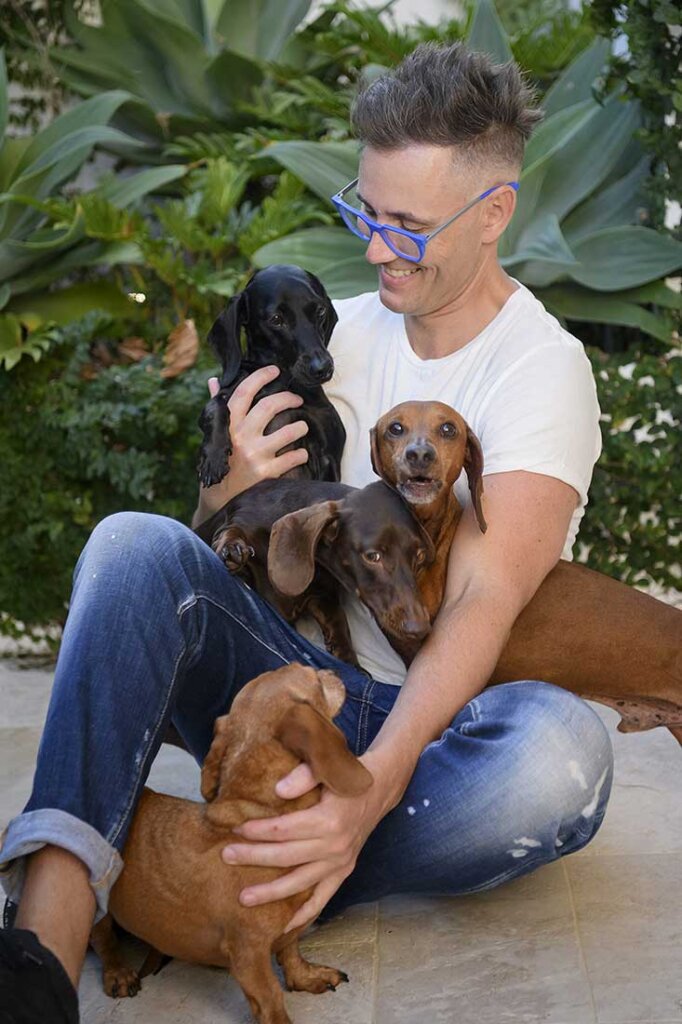
I hadn’t even seen a dachshund until I met my wife and she introduced me to hers.
When I locked eyes with that tiny little creature, I fell in love for the second time that week…
Now, we have four! And couldn’t love them more.
Sure they’re a bit noisy, but also wonderfully funny and affectionate.
They’re known for their curiosity, independence, and focus. Maybe that’s why I connect with them so much – we share the same personality traits!

Aside from music and my love of dachshunds, I have a few other passions: Formula 1 racing, fast cars in general, and staying fit. But above all these, cricket has always been one of my lifelong loves.
I remember putting on my first set of whites as a young boy and heading out to the local pitch in the small Central Tasmanian town where I grew up. I was a ‘quick’ – a fast bowler – and nothing thilled me more than intimidating ‘an’ opening batsman through my sheer pace.
Through countless sessions in the nets, I honed my technique and developed an array of deliveries — yorkers, in-swingers, out-swingers, and of course, the all-important bouncer. Much like my drumming practice, cricket taught me the value of discipline and repetition in mastering physical skills.
On weekends when I wasn’t playing or training, I loved watching the game on TV ( I still do). As a boy growing up in the 80s and 90s, I was a bit young to catch Dennis Lillee and Jeff “Thommo” Thompson’s legendary battles with Viv Richards’ West Indian teams as they happened, but my Dad ensured I was educated after the fact. I fondly remember the greats of the 90s like Alan Border, Mark Taylor, the Waugh brothers, Shane Warne and Glenn McGrath.
The pinnacle of my own cricketing career came during my teenage years, when I faced fellow Tasmanian and future professional Brett Geeves in a bowling competition. He edged me out with a top speed of 118 km/h to my 115 km/h. But hey, the guy went on to play for Australia, so I take some pride in that.
You can’t win them all!
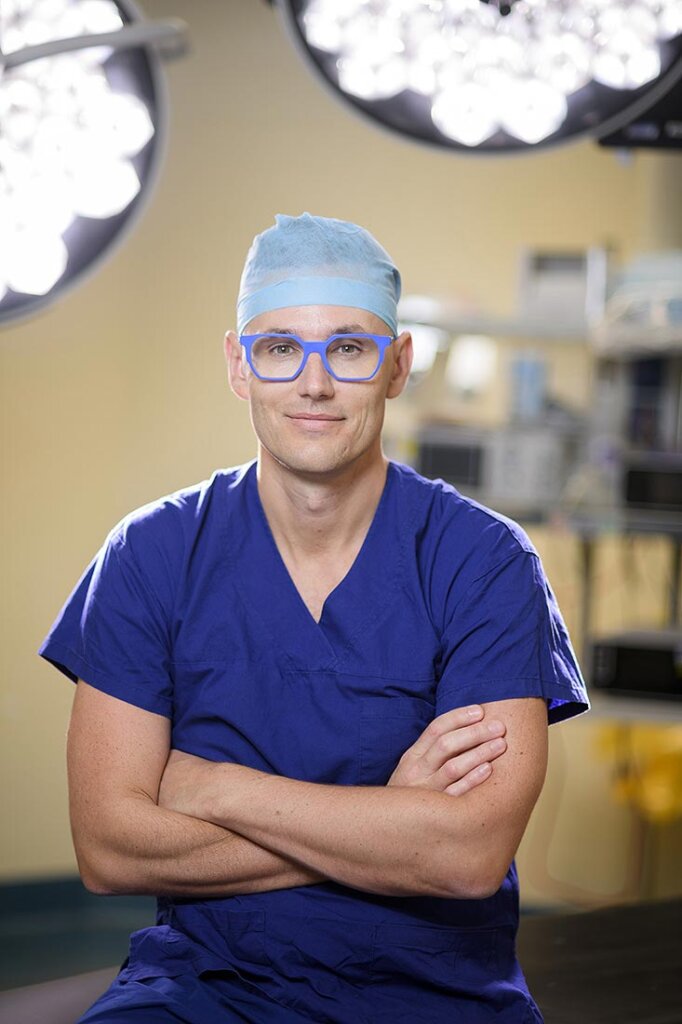
When I was in Year 10, a family friend gave me a book by a renowned American neurosurgeon. It described surgery under the microscope — the delicate structures deep in the brain — and I was hooked. It felt like a switch had flipped. I suddenly knew. This was my calling.
Neurosurgery suited me in ways I hadn’t expected. Years of drumming had sharpened my fine motor skills. I loved anatomy (still my favourite subject) and the brain’s complexity fascinated me like nothing else.
After completing my medical degree (graduating with First Class Honours and receiving the Frank Fay Prize), I spent three years learning from one of the most gifted surgeons I’ve ever met. I travelled across Australia, observing him and other legendary neurosurgeons. Thanks to their guidance — and a lot of hard work — I progressed from observer to assistant, and eventually became a neurosurgeon myself.
Early on, when people asked why I chose neurosurgery, I’d say it was to help others. It felt like the right answer, but it wasn’t the whole truth. My drive also came from a love of anatomy and the physics of surgery.
Over time, that changed. When patients tell me I’ve played a part in improving their quality of life, I understand what it really means to help. That realisation has brought me a deeper sense of purpose than I ever could have imagined.
Lorem ipsum dolor sit amet, consectetur adipiscing elit. Donec tempus mi felis, sit amet tristique velit blandit a. Maecenas nec mi in massa lacinia semper.
Lorem ipsum dolor sit amet, consectetur adipiscing elit. Donec tempus mi felis, sit amet tristique velit blandit a. Maecenas nec mi in massa lacinia semper.
Lorem ipsum dolor sit amet, consectetur adipiscing elit. Donec tempus mi felis, sit amet tristique velit blandit a. Maecenas nec mi in massa lacinia semper.
“Lorem ipsum dolor sit amet, consectetur adipiscing elit. Donec tempus mi felis… “
Lorem ipsum dolor sit amet, consectetur adipiscing elit. Donec tempus mi felis, sit amet tristique velit blandit a. Maecenas nec mi in massa lacinia semper.