

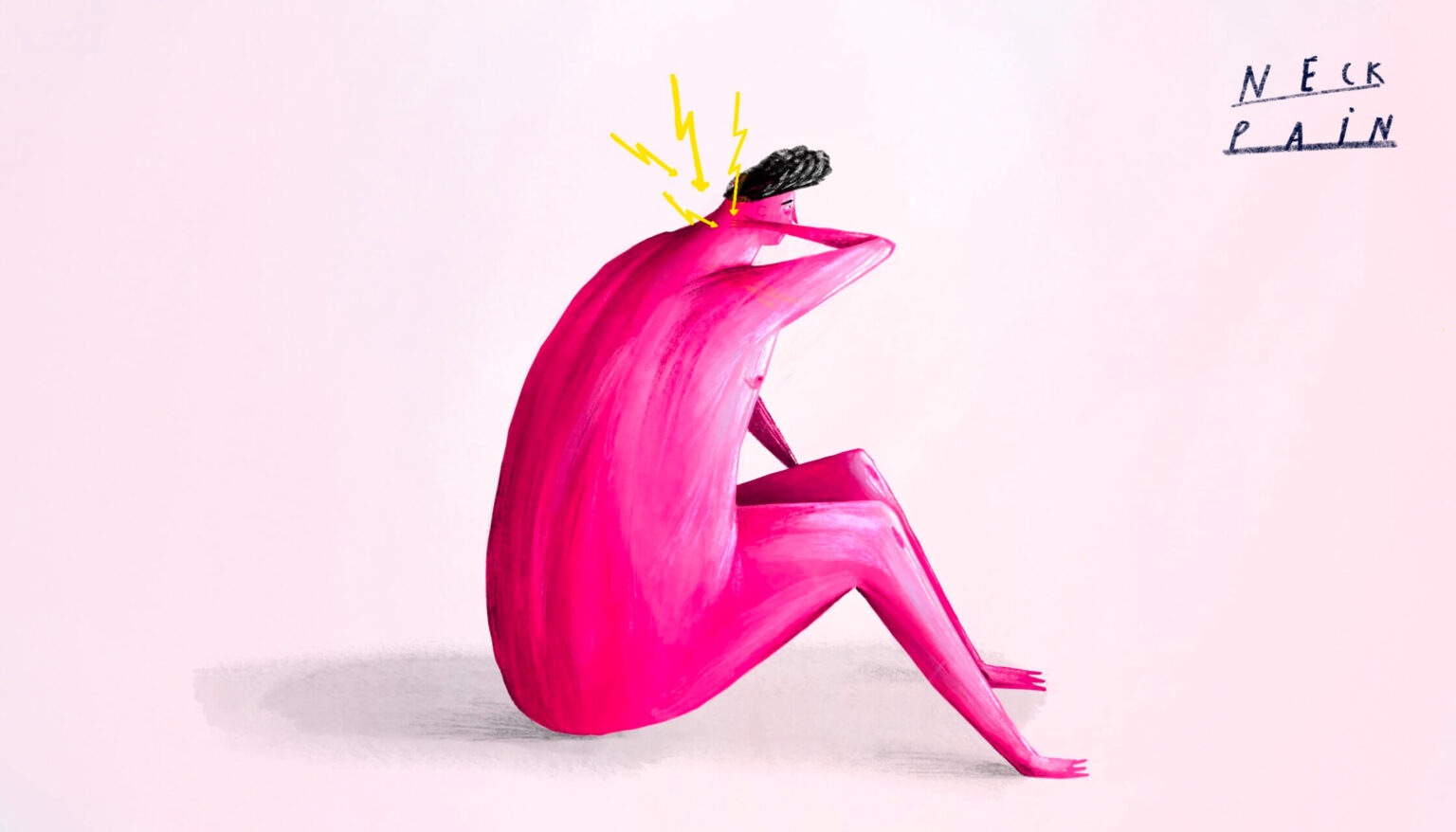
As the name says it, neck and back pain is pain affecting those areas of your body, with over 90% caused by arthritis in the spine or muscle spasms and cramps.
The key is to avoid unnecessary surgery for this common condition. There are two scenarios where surgery is rarely the best option for neck and back pain:
Yes, neck and back pain are both very common.
As a matter of fact, most people will experience back pain at some point in their lives, and it’s one of the most frequent reasons people seek medical help.
Back and neck pain is usually not dangerous, with surgery rarely required, and only considered if more serious underlying issues are found.
Long term, pilates, physiotherapy or pharmacotherapy are mostly effective treatments.
Typically neck pain is felt somewhere in the back of the neck and often felt radiating into the back of the head, or into the shoulders.
Back pain can either be central in the lower back, or on either (or both sides) and often radiates into the buttock and hip region.
For older people, the most common type of pain is arthritis pain, which comes from inflammation in the facet joints, little joints at the back of the spine. Facet pain is very common and responds well to steroid injections or radiofrequency ablation.
Younger people tend to get more muscular pain. They can also get pain from the spinal disc. When someone feels their back ‘locks up’, or feels stiff, it’s due to deep muscle layers in the back tightening up.
The same occurs in the neck. In fact, it is quite common for all the muscles that connect the neck to the spine and shoulders to tighten up. This is felt as pain and tension in the back of the neck, shoulders and into the back of the head.
The two most common causes are wear and tear changes (also called arthritic changes) and trauma, with the most common causes of trauma being work-related incidents or road accidents.
Many people become frustrated with a ‘musculoskeletal’ diagnosis (conditions affecting the body’s skeleton), thinking it’s a ‘cop-out’ on the part of the surgeon making the assessment. But it’s a real and common cause of neck and back pain, and quick relief can be challenging to achieve.
The key to treatment is identifying the underlying cause. This is actually much harder than it sounds. Sometimes, even after a thorough discussion, examination, and review of scans, the exact cause of neck or back pain remains unclear. We often suspect it’s a facet joint or disc or muscle, but finding which facet joint, disc or muscle is the challenge.
This is very different to nerve pain down the arms or legs where it is often quite easy to work out exactly which nerve is causing the pain. If the exact cause can’t be identified, the next step is to rule out serious causes of neck and back pain. This can be fairly easily done with a series of questions, examination and modern scans.
Surgery for neck or back pain is rarely required. It’s usually only necessary for conditions like cancer, infection, fractures, or ruptured discs. There is one exception and that is the condition spondylolisthesis. If the surgeon can confirm that it is the cause of the pain, then this condition responds very well to surgery.
Long-segment spinal fusions for neck and back pain are becoming less common due to the severe side effects of these outdated procedures. Within 6 to 12 months after surgery, there’s a high chance that symptoms will return or worsen. It is not recommended by today’s more modern surgeons, as surgery has a very low success rate in these cases.
It is for this reason that a well-trained expert will not recommend surgery for your neck or back pain outside the reasons listed ‘previously’. A well-tailored pilates, physiotherapy or pharmacotherapy program are much more effective in the long run.
For patients with neck or back pain, it’s important to focus on long-term management rather than seeking a short-term fix that could lead to long-term complications.
Yes, neck and back pain are very common. Most people experience it at some point in their lives.
In most cases, neck and back pain is not dangerous. It primarily affects quality of life. For many people, it resolves on its own, but for others, it may persist and significantly impact daily living.
Neck and back pain is usually caused by wear and tear or injury, not genetics. Some family bloodlines have better overall genetics in their spine (stronger bones and muscles and better geometry to the spine). Still, there’s no medical genetic condition that causes the common back or neck complaints.
Everybody’s different, but the sooner you begin a pilates or physiotherapy program, the sooner you’ll start seeing improvements.
In the few cases where surgery is recommended for neck or back pain, the risks are low and similar to those of other surgical procedures.
But in the majority of cases where things like pilates and physiotherapy are recommended, the treatments are virtually risk-free.
The other possible treatment is a steroid injection. I very commonly recommend this for back or neck pain. Steroid injections are very safe. You can have them done multiple times without concern. In fact, it is almost always required to have at least two injections to get the best result. Steroid injected is very different from a steroid tablet.
A tablet once swallowed goes to the whole body via the bloodstream and can cause side effects as a result. An injection, however, stays only in the joint and does not spread to other parts of the body. It is not dangerous to the joint and will not weaken it or the ligaments.
Most of the time, yes. My main role is to rule out nasty causes of the neck or back pain, and any mechanical causes that would respond exceptionally well to surgery (despite the bad press, there are some causes of back pain that respond very well to surgery and can quickly return you to your previous quality of life).
This depends on what is the cause in the first place, you, your age, your overall symptoms and your scan results. I am happy to take you through all of this to advise you regarding this.
In most cases, yes, full recovery is possible.